Use Mindcraft for Professional Branding
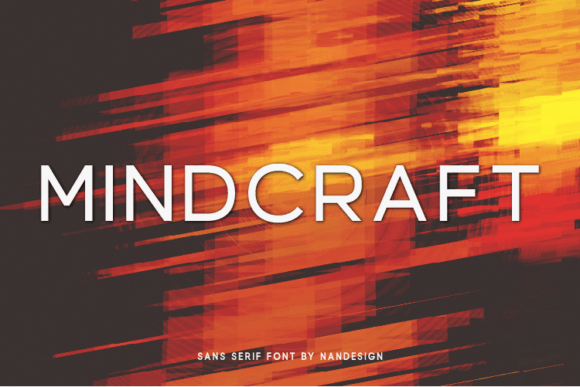
As a small business owner, choosing the right font can make a big difference in how your brand is perceived. Mindcraft is a versatile sans serif typeface that brings clarity, style, and professionalism to every project you work on. Whether you're designing a logo, creating social media content, or updating your website, Mindcraft offers a clean, modern look that works across all your business materials.
What makes Mindcraft stand out is its balance of simplicity and sophistication. It has a neutral, friendly personality that feels approachable yet polished. This makes it ideal for businesses looking to build trust with their audience while maintaining a strong visual identity. Its clean lines and consistent weight make it easy to read, even in small sizes or on digital screens.
How Mindcraft Enhances Brand Consistency
Consistency is key when it comes to branding. Using the same font across all your marketing materials helps customers recognize your business instantly. Mindcraft provides a unified look that works well on everything from business cards to packaging design. When your brand feels cohesive, it builds credibility and makes your business more memorable.
Imagine using Mindcraft for a bakery’s logo and then applying it to product labels, menus, and social media posts. The same font appearing in different formats creates a sense of familiarity, making your brand feel more established and trustworthy. It also helps reduce the time and effort needed to maintain a consistent visual style across platforms.
Real-World Applications for Mindcraft
One of the biggest advantages of Mindcraft is its versatility. It works well as a headline font, display type, or supporting text. For example, a handmade candle brand could use Mindcraft for their product names on labels and packaging, while pairing it with a simpler sans serif for ingredient lists or descriptions. This combination keeps the design clean without sacrificing visual interest.
For a café owner, Mindcraft can be used on menu boards, signage, and social media graphics. Its readability ensures that even small text, like pricing or descriptions, remains clear and legible. It also looks great in digital ads, where it can catch attention without overwhelming the viewer.
Entrepreneurs selling online might find Mindcraft useful for product listings, email newsletters, and website banners. Its modern appearance aligns well with current design trends, helping your brand feel up-to-date and professional. It also pairs well with other fonts, allowing you to create a balanced look that’s both functional and visually appealing.
When to Use Mindcraft
Understanding when to use Mindcraft can help you get the most out of this font. As a display font, it excels in headlines, logos, and titles. Its clean design makes it perfect for eye-catching elements that need to stand out without being too flashy. For instance, a coaching business could use Mindcraft for their service titles on a website or in promotional materials.
As a supporting typeface, Mindcraft can complement other fonts in your brand’s design system. If you’re using a script font for a logo, pairing it with Mindcraft for body text can add contrast and improve readability. Similarly, if you’re working with a serif font for headings, Mindcraft can serve as a clean, modern alternative for subheadings or captions.
Readability and Practical Considerations
While aesthetics are important, practicality matters just as much. Mindcraft is designed with readability in mind, making it suitable for a wide range of applications. Whether you're printing labels for a handmade soap line or creating thumbnails for Instagram posts, the font remains clear and easy to read.
Small text, such as product details on packaging or footnotes on a website, should always be tested for legibility. Mindcraft performs well in these situations, ensuring that your message is communicated effectively without compromising on style. It also holds up well on mobile devices, which is crucial for businesses relying on digital engagement.
Testing Mindcraft Before Full Adoption
Before committing to a font for your entire brand, it’s wise to test it in real-world scenarios. Try using Mindcraft in a few key areas—like your logo, website header, or social media profile picture—and see how it looks in different contexts. Pay attention to how it appears on various devices and backgrounds to ensure it maintains its quality and impact.
Many designers recommend creating a sample set of materials to evaluate the font’s performance. This could include a business card, a flyer, and a website mockup. Testing helps you identify any potential issues early and gives you confidence in your choice.
Font Pairing Tips for Small Businesses
Pairing Mindcraft with other fonts can enhance your brand’s visual appeal. A common approach is to pair it with a simpler sans serif for body text, which creates a clean and organized look. This combination works well for websites, email templates, and printed brochures.
If you’re using a decorative or script font for your logo, consider pairing it with Mindcraft for headings or subheadings. This contrast adds depth to your design while keeping the overall look cohesive. Just be sure the fonts complement each other rather than compete for attention.
Commercial Font Licensing and Usage
Before using any font in your business, it’s important to understand the licensing terms. Mindcraft, like most premium fonts, may have specific restrictions on how it can be used. Make sure you review the license agreement to confirm it allows for commercial use on products, packaging, templates, merchandise, client work, or digital downloads.
Proper licensing ensures that you’re using the font legally and avoids any potential issues down the line. It also supports the designers who create these valuable resources, helping to keep the font community thriving.