Upgrade Your Brand With a Premium Font
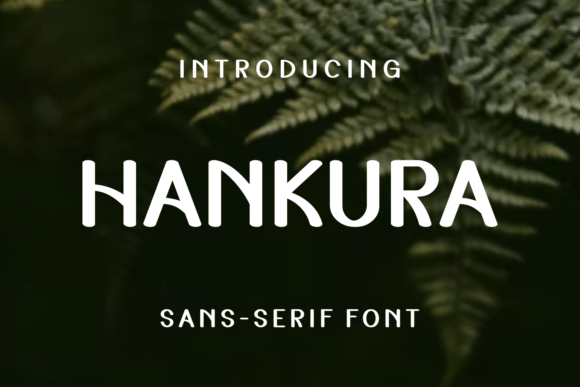
As a small business owner, I know how much detail goes into every visual element of a brand. From the color palette to the imagery, everything matters. But one often overlooked component is typography. Recently, I discovered Hankura, a cool and unique sans serif font that has transformed how I approach design for my clients.
A Real-World Branding Moment
I was working with a local bakery looking to refresh their packaging. The owner wanted something modern, clean, and easy to read on product boxes. After trying several fonts, we landed on Hankura. It had a subtle edge that made it stand out without being too bold. The font’s simplicity made it perfect for both headlines and smaller text, like ingredient lists or pricing labels.
What I loved most was how it balanced personality with professionalism. It wasn’t too playful, but it wasn’t overly formal either. That made it ideal for a brand that wanted to feel approachable yet trustworthy.
What Makes Hankura Unique?
Hankura is a sans serif typeface with a distinct character. Its clean lines and slightly irregular shapes give it a handcrafted feel, which is great for brands that want to feel authentic. The font has a warm, inviting mood that works well in both digital and print formats.
It’s not just about looks—Hankura is also highly readable. Even at smaller sizes, the letters remain clear and legible. This makes it a strong choice for labels, menus, and other materials where clarity is key.
One thing I noticed was how versatile it is. Whether used as a headline or part of a larger design system, Hankura adapts well. It can be paired with other fonts to create contrast and visual interest without clashing.
Using Hankura in Business Materials
For a candle seller, I used Hankura on jar labels. The font’s smooth curves complemented the soft, natural aesthetic of the products. It worked especially well for product names and scent descriptions, making the labels look more polished and cohesive.
At a café, we applied Hankura to menu designs. The font added a fresh, modern touch that matched the space’s decor. It was perfect for headings and item titles, while still being easy to read in a busy environment.
Another project involved a beauty brand updating their skincare labels. Hankura gave the packaging a premium feel without being too flashy. It helped the brand appear more professional and consistent across all product lines.
Typography’s Impact on Brand Perception
Typography plays a huge role in how customers perceive a brand. A well-chosen font can make a business look more reliable, creative, or sophisticated. Hankura does all of that and more.
When a font is consistent across all materials—business cards, social media posts, website banners—it builds recognition. Customers start to associate that visual style with the brand, making it more memorable.
Readability is another key factor. If a font is hard to read, it can turn customers away. Hankura avoids this by maintaining clarity even in small sizes or on mobile screens. That makes it a smart choice for online shop banners and social media thumbnails.
Pairing Hankura With Other Fonts
While Hankura is a standout on its own, it also pairs well with other fonts. For a more elegant look, I’ve combined it with a serif font for body text. This creates a nice contrast between the clean, modern sans serif and the traditional, refined serif.
For a more casual vibe, pairing it with a handwritten or script font can add a personal touch. This works well for branding that wants to feel friendly and approachable, like a boutique or handmade product line.
On the other end of the spectrum, using Hankura alongside a bold, modern display font can create a striking visual effect. This is great for headlines or promotional materials where you want to grab attention without overwhelming the viewer.
Final Thoughts on Using Hankura
Whether you’re designing packaging, updating a menu, or creating social media graphics, Hankura offers a stylish and practical solution. It’s a font that feels both modern and timeless, making it a valuable addition to any brand’s design toolkit.
Before using it, I recommend checking the available styles, file formats, and licensing options. Make sure it fits your specific needs, whether you're working on print materials, digital assets, or client projects.