Cutebear: A Font for Creative Makers
There’s something about the way Cutebear sits on a page that feels just right. I was working on a set of candle labels the other day, and as I typed out the scent names in Cutebear, it felt like the font was speaking to me. It’s simple, yet full of character—like a friendly neighbor who always has a warm smile.
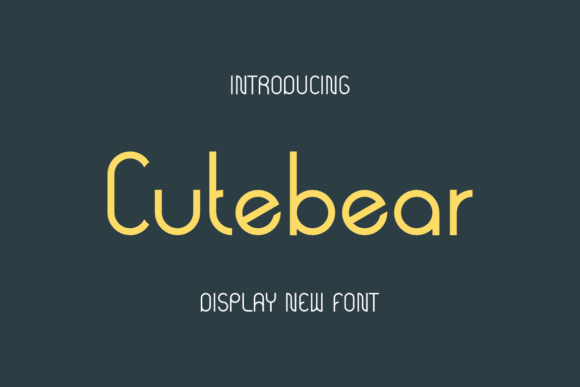
As a crafter who loves handmade products and printable designs, I’ve tried my fair share of fonts. But Cutebear stands out. It’s a sans-serif typeface with a soft, authentic feel. The curves are gentle, the strokes balanced, and there’s a quiet confidence in every letter. It doesn’t shout, but it commands attention when needed.
Bringing Cutebear to Life on Labels and Cards
I often start with a small project—like a batch of greeting cards or a set of seasonal stickers. With Cutebear, even the simplest text feels elevated. I used it for a set of birthday invitations, and the result was charming without being overdone. The font pairs well with both bold and subtle design elements, making it versatile for any project.
For product labels, Cutebear is a game-changer. Whether it’s a handmade soap label or a tag on a wooden sign, the font adds a touch of warmth and professionalism. I’ve also used it for printable wall art, where the clean lines make the text pop against minimalist backgrounds.
How Cutebear Works for Handmade Brands
When you’re running a small shop or creating digital downloads, consistency is key. Cutebear helps build a cohesive brand identity. It works well for logo designs, especially when paired with a more decorative element. For example, I once combined it with a script font for a wedding invitation suite, and the contrast was beautiful.
It’s also great for short phrases and titles. Names, headings, and decorative wording look polished in Cutebear. But it’s not just for display—it’s readable enough for product descriptions, packaging, and even small stickers. I’ve tested it on laser-cut labels and it holds up well, even at smaller sizes.
Using Cutebear in Everyday Crafting
One of the things I love most about Cutebear is how it adapts to different mediums. I’ve used it on tote bags, mugs, and even custom signs. The font’s simplicity makes it easy to cut with Cricut or Silhouette machines. It’s also perfect for printable templates, whether they’re for planners, calendars, or social media graphics.
For seasonal projects, like farmhouse signs or holiday tags, Cutebear adds a cozy, approachable vibe. I’ve designed a set of Christmas labels using it, and they look just right next to handwritten notes. It’s also useful for boutique tags and packaging, where clarity and style matter.
Design Tips and Pairing Suggestions
When pairing Cutebear with other fonts, I lean toward clean, modern options. A simple serif font can add contrast without clashing. For a more playful look, I sometimes pair it with a handwritten or script font. It’s also effective when used alongside bold display fonts for headings or logos.
Make sure to check the font’s available styles and file formats before using it for commercial projects. Some versions include alternates, ligatures, and swashes that can add extra flair. If you’re designing for multiple languages, verify that the font supports them.
Real-World Applications for Cutebear
I’ve used Cutebear for everything from wedding welcome boards to printable planner pages. It works well for digital downloads, where a clean, readable font is essential. For physical products, it adds a sense of quality without being too formal.
Whether you’re printing labels, designing packaging, or creating shop materials, Cutebear is a reliable choice. It’s the kind of font that makes your work feel intentional, thoughtful, and just a little bit more special.
As I continue to explore new creative projects, I know I’ll keep coming back to Cutebear. It’s not just a font—it’s a tool that helps bring ideas to life, one letter at a time.